
The quick answer
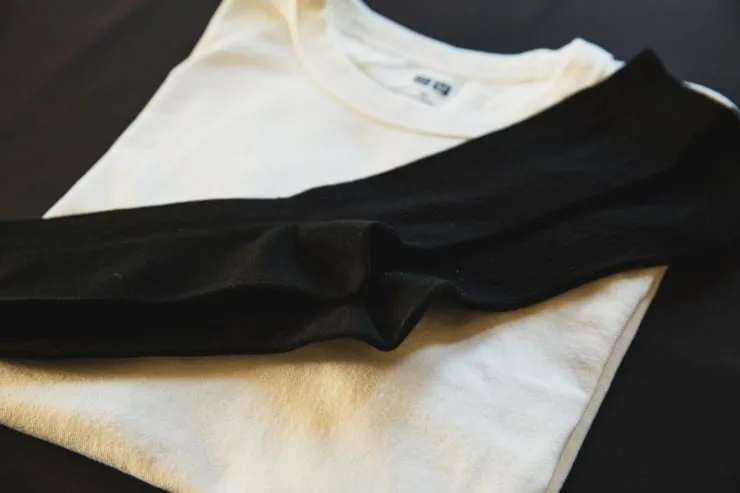
Not as a habit. Tide, Whirlpool and Speed Queen all say to keep dark clothes out of loads with whites, because dark dye can transfer and leave whites gray or dingy. The risk is highest with new black items, hot water and cotton. A load of old, many-times-washed black and white pieces in cold water is a small risk, not zero.
One gray sock can turn a load of white towels into a bad afternoon, and dye that has set into white cotton is hard to remove. Sorting takes two minutes. That makes it cheap insurance, but it isn't an absolute rule, so here is where the risk sits and where it doesn't.
What actually happens in the wash
Dyes are never fully locked into the fabric. Some loosen in the water, and whites pick it up more readily than anything else. Tide says white laundry is the most likely to receive color from all other items. Whirlpool's product help says mixed colors can transfer dye to lighter items and leave them looking dingy.
The damage doesn't always look like a stain. A white shirt that picks up a little black dye goes dull gray instead. Speed Queen describes it as a worn dark item fading whites to a dull gray, and it adds that dark and dominant colors take several washes before they stop bleeding.
When the risk is highest
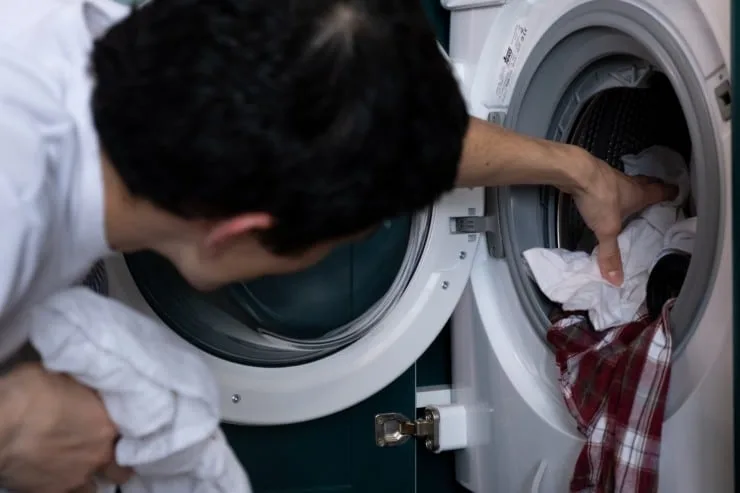
- New dark items. Tide's Canadian site says deep colors such as indigo jeans or a red sweatshirt should be washed by themselves for the first few washes. New items may bleed.
- Warm or hot water. Cleanipedia says cold water keeps the fabric from opening up as much, which stops dye running. Tide says cold water can mostly prevent transfer, which means it reduces the risk but doesn't remove it.
- Cotton, linen and silk. Cleanipedia says dyed silk and natural fabrics such as cotton and linen generally bleed. A Tide senior scientist quoted by Popular Science adds that cotton doesn't hold onto dye well, which is why jeans fade, and that garment-dyed pieces can cause extra transfer.
- A wet load left sitting. Tide says colored clothes left in the machine can leech onto other items. Take everything out when the cycle ends.
- An overstuffed drum. Tide's advice for new colored items includes not overstuffing the machine.
Fabric weight matters too. Popular Science quotes the same scientist saying the delicate cycle uses less agitation and typically cold water, so there is less rubbing between fabrics and less risk of dye transfer.
Which mixes are fine
| Load | Verdict | Source basis |
|---|---|---|
| White with pastels or light colors | Usually fine, cold water | Tide says pastels can go with whites |
| White with black or navy | Avoid | Tide, Whirlpool, Speed Queen |
| Black with navy, charcoal, other darks | Fine, cold water | Bosch and Tide group darks together |
| New black item with anything light | Avoid for the first few washes | Tide Canada |
| Black-and-white print or stripe | Wash with darks, cold (my judgment) | Bosch puts white-with-print in the colors pile |
That last row is a judgment call. No maker I found gives a rule for items that carry both colors. Bosch lists white items with prints or patterns in its colors group, and I'd lean toward the darker pile because the white parts are the ones that can pick up dye from the black.
Test a doubtful item first
If you can't tell whether an item will bleed, Cleanipedia says to test the fabric before washing it. One way is to hand wash it and look at the water. Tide Canada describes a colorfastness check that presses a damp spot with a warm iron between cloths. An item that fails any such test should be washed alone.
Cleanipedia also points out that modern machines with color-bleed features still don't stop excess dye from leaking, so the test is worth doing even with a newer washer.
Check the care label
A care label is the one instruction that is legally tied to the garment. The FTC's rule says a clothing label must carry a washing or dry cleaning instruction, and it must warn about any part of the recommended care that could harm the item. A plain "Machine wash. Tumble dry." label means the item can be washed and dried at any temperature. If a label says to wash an item separately or with like colors, follow that over any general rule.
If dye has already transferred
Don't dry the load. Tide notes that a dryer can set stains that were missed. Rewash the affected pieces promptly. Cleanipedia says a dye stain can be fixed if you pre-treat it and rewash, and it suggests a pre-wash detergent or white vinegar and water. Its vinegar method is a cup in a normal cycle, repeated once if the bleeding continues. That's one brand's suggestion, so test it on a hidden seam of a colored item.
Whirlpool adds that a dingy white load isn't always dye. It can come from oily soils, in which case a higher temperature cycle is the suggested fix.
Frequently asked questions
Can you put black and white clothes together in the dryer?
I found no maker guidance on mixing colors in the dryer. Tide does say a dryer can set stains that were missed in the wash, so check every white piece for gray tint before drying.
What colors can you wash with white together?
Tide says pastels and other light colors can go in with whites, and recommends cold water when you mix them. Keep dark shades, new bright items and anything that has bled before out of the white load.
Are clothes care labels important?
Yes. The FTC requires a washing or dry cleaning instruction on clothing labels, along with warnings about any care step that could harm the item. Follow the label over a general sorting rule.
Is cold water enough to wash black and white together?
Cold water reduces dye transfer but doesn't prevent it. Tide says it can mostly prevent transference, so a new black item can still stain a white one.
Sources
- Tide: Washing different fabrics and colors (whites most likely to receive dye, pastels with whites, cold water)
- Tide Canada: How to sort your laundry (deep colors alone at first, colorfastness test)
- Tide Canada: How to wash colored clothes (new items, overstuffing, dryer)
- Whirlpool product help: Dye transfer (separating darks, cooler water, dinginess from oily soils)
- Speed Queen: Sort the laundry (dark fading whites to gray, several washes before bleeding stops)
- Popular Science: How to sort laundry (Tide scientist on cold water, delicate cycle, cotton dye)
- Cleanipedia: How to prevent color bleeding (cold water, testing, fixing a bleed)
- Bosch: How do I separate my clothes for wash (whites, colors and darks groups)
- FTC: Clothes Captioning, Complying with the Care Labeling Rule (what care labels must say)