
The quick answer
A mothball smell means mothball vapor is in your air. Mothballs are pesticides made almost entirely of naphthalene or paradichlorobenzene, and they slowly turn from solid to gas. Open the windows, find the source (stored clothes, a closet, the attic, a bathroom or trash deodorant block) and remove it. Keep children and pets away from any mothballs. If someone swallowed one, call Poison Control on 1-800-222-1222.
Mothballs aren't a fragrance. The National Pesticide Information Center (NPIC) says that when you smell them, you are breathing in the pesticide. That is the real stake. The smell is a sign the product is leaking into rooms where people and pets live, and small children can mistake the balls for candy. This guide covers where the smell comes from, who is at risk, and how to clear it. Sources are listed at the end.
What Mothballs Are
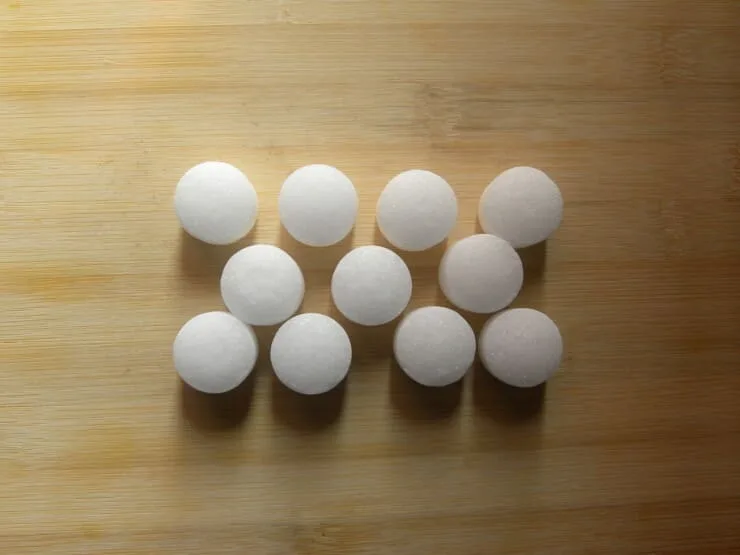
NPIC says mothballs are nearly 100 percent active ingredient, either naphthalene or paradichlorobenzene (also written PDB). They slowly change from a solid into a toxic vapor, and that vapor is what kills moths. Poison Control adds that mothballs are regulated as pesticides and that paradichlorobenzene is the more common ingredient in the U.S. It is also found in some restroom and trash deodorant blocks, so a similar smell does not always mean mothballs.
Where the Smell Usually Comes From
- Stored clothing, blankets or boxes packed with mothballs, especially wool and bedding.
- Closets, attic and basement spaces where mothballs were left loose or in bags that don't seal.
- Items left by earlier owners or relatives, such as old trunks, coats and furniture drawers. This is our own judgment about common cases, not a published finding.
- Deodorant blocks in toilets and trash cans, which can contain paradichlorobenzene, according to NPIC.
- Other moth repellents and stored chemicals. Poison Control lists moth repellents among household VOC sources, along with paints, varnishes, wax, cleaners and glues.
Science News reports that product labels tell people to use mothballs in an airtight container and air out treated fabrics, and that many people use them in loosely sealed bags or open closets anyway. Its test is useful: if you can catch a whiff of the sweet scent, the container isn't airtight.
Health Effects and Who Is at Risk
NPIC says people exposed to paradichlorobenzene have reported nausea, vomiting, dizziness, fatigue and headaches, and that its vapor can irritate the eyes and nose. Poison Control says long-term inhalation of either ingredient can cause poisoning. We found no source giving a safe level of mothball vapor in a home, so we don't give one.
- Small children. NPIC says one mothball can cause serious harm if a small child eats it. Poison Control describes a toddler who swallowed paradichlorobenzene mothballs, seemed fine at first, then developed red blood cell damage days later. Symptoms can be delayed, so call even if the child looks well.
- People with G6PD deficiency. Poison Control says they are most at risk from naphthalene, which can destroy red blood cells.
- Pets. NPIC says that in pets, eating mothballs may cause vomiting, tremors, abdominal pain and kidney and liver damage. Call your veterinarian or an emergency animal resource.
- Pregnancy. We found no source we could verify on mothball vapor and pregnancy. Ask your doctor, and ventilate until the smell is gone.
How to Clear the Smell
- Ventilate. The U.S. Environmental Protection Agency (EPA) advises opening windows and doors when weather allows and using fans that vent outdoors.
- Find the source. Check closets, trunks, drawers, the attic, the basement and any stored boxes. Look for loose balls, flakes or small packets.
- Take the mothballs out. Wash your hands afterward (NPIC advises washing hands before eating or smoking). Keep them out of reach of children and pets.
- Wash stored fabrics. Poison Control says to wash clothing and bedding stored with mothballs before wearing or using them.
- Dispose of them properly. Poison Control says to dispose of mothballs with other household hazardous waste. Check your local collection site. Our judgment: don't flush them or put them in the regular trash.
- Keep airing the space. Vapor can linger in closed spaces, and the EPA says VOC concentrations can stay high long after the activity ends.

Cleaning products and air fresheners only cover the odor. If the smell returns after airing, there's still a source nearby. We could not verify claims that baking soda or charcoal reliably remove mothball vapor, so we don't rely on them.
What Not to Do
- Don't use mothballs in living spaces. The label instruction is to use them only in an airtight container. In open closets, drawers or loose bags, the vapor gets into the air you breathe.
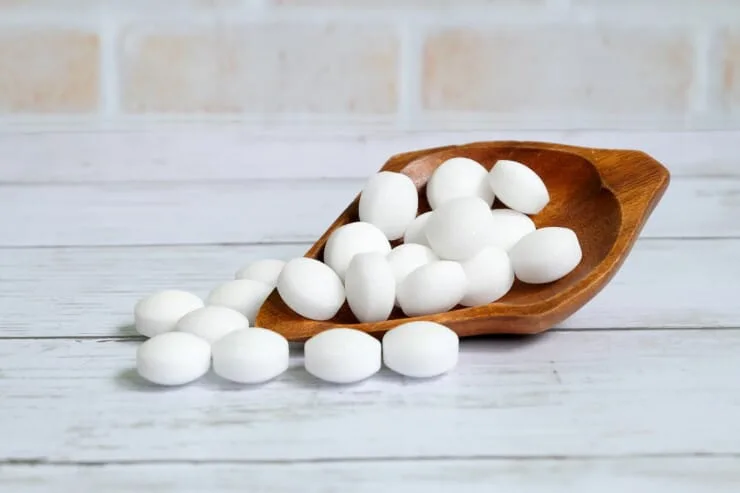
- Don't leave loose mothballs where children or pets can reach them. They can look like candy, as NPIC notes.
- Don't ignore the label. NPIC says to always follow label instructions and the first aid steps on the product.
- Don't wait if one is swallowed. For swallowed mothballs, Poison Control says to give a small amount of water and call 1-800-222-1222 or use the web POISON CONTROL tool.
Safer Ways to Protect Clothes
Poison Control says to clean stored clothes thoroughly and seal them in plastic bags, which reduces the need for mothballs. That is the lowest-risk approach we found in our sources. If you do use a mothball product, follow the label exactly and store the sealed container away from rooms you use.
When to Call Someone
- Poison Control, 1-800-222-1222: a swallowed mothball, or symptoms such as headache, nausea or dizziness that you link to the smell.
- NPIC, 800-858-7378: questions about a pesticide product.
- Your veterinarian: if a pet ate a mothball.
- A building professional: if the smell is strong and you can't find where it is coming from (our judgment).
Frequently Asked Questions
Why does my house smell like mothballs when I haven't used any?
Look for stored items from earlier owners or relatives, stored clothing and bedding, and deodorant blocks in toilets or trash cans. Paradichlorobenzene is found in both mothballs and some deodorant blocks, according to NPIC.
Is the mothball smell harmful?
It can be. NPIC says smelling mothballs means you are breathing the pesticide. Reported effects of paradichlorobenzene include nausea, vomiting, dizziness, fatigue and headaches, plus eye and nose irritation.
How do I get rid of a mothball smell?
Open windows, find and remove the mothballs, and wash stored clothing and bedding. Dispose of the mothballs as household hazardous waste, and keep airing the space.
What should I do if a child or pet swallows a mothball?
Call Poison Control on 1-800-222-1222 right away, even if the child seems fine. Symptoms can be delayed. For a pet, call your veterinarian or an emergency animal clinic.
Sources
- NPIC: Health Effects of Mothballs (ingredients, vapor, children, what to do)
- NPIC: Paradichlorobenzene General Fact Sheet (symptoms, deodorant blocks, pets)
- Poison Control: Mothballs Can Be Poisonous (symptoms, G6PD, washing clothes, disposal, swallowed mothballs)
- Poison Control: Identifying unknown fumes in your home (moth repellents as a fume source)
- Science News: Mothballs deserve respect (airtight containers on labels, scent test)
- U.S. EPA: Volatile Organic Compounds' Impact on Indoor Air Quality (ventilation, lingering concentrations)
This page is general information, not medical advice. For poisoning, call 1-800-222-1222.