
The quick answer
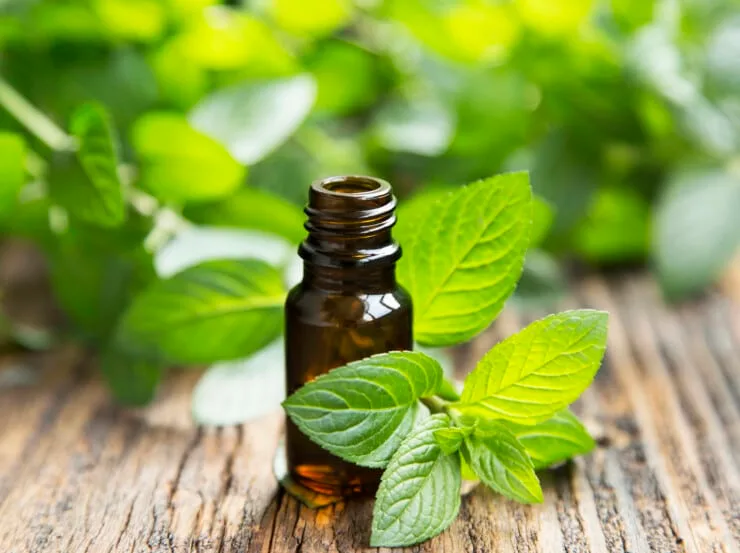
A peppermint smell in the house is usually something with mint in it: an essential oil or diffuser, a candle, a cleaner, toothpaste or mouthwash, a mint plant or a pest repellent someone put down. Find it by walking the house and following your nose, then remove it and air the room. If you can't find any source, the smell may be in your own nose, which is called phantosmia, and a doctor can look into it. Danger smells to rule out first are rotten eggs (gas), burning (electrical) and symptoms in several people at once (carbon monoxide).
Most peppermint smells are harmless. The part worth your time is what the source might do to children and pets, and the rare case where there is no source at all. Peppermint oil is strong, and a small spill or an open bottle can scent a whole floor. Mint products also attract pets and small children.
This page covers where the smell comes from, how to track it down, and what to do. It's one of the smells in our guide to strange smells in the house, which sorts them by how urgent they are.
Check for danger first
Peppermint is not a warning smell for any of the dangerous household gases. Still, check for these while you look around.
- Rotten egg or sulfur smell. Poison Control lists this as the sign of a gas leak. Connecticut's utility regulator says to leave the building if the smell is strong or you're unsure, then call your gas company from a phone away from the smell. Don't touch light switches, use a phone inside, or light anything.
- Burning smell. Poison Control lists a burning smell as a sign of an electrical problem. Stop using the outlet or appliance and call a qualified electrician.
- Headache, weakness, nausea, dizziness or confusion in several people at once. The CDC says carbon monoxide is odorless and kills without warning. Poison Control says to suspect it when several people have similar symptoms. Only a working carbon monoxide alarm detects it.
- Eye, nose or throat irritation, coughing or trouble breathing. Poison Control says to open windows and doors, leave the building, and call 1-800-222-1222. The line is free, confidential and open 24 hours a day.
Common sources of a peppermint smell

Essential oils, diffusers and candles
This is the usual cause. Poison Control notes that reed diffuser liquid is an essential oil dissolved in alcohol, and that vaporizers made for essential oils release small amounts of oil into a large volume of water. A diffuser left running, a bottle with a loose cap or a spill in a cabinet can all keep a room smelling of mint for days.
Check bedside tables, bathrooms, drawers and any room that a guest, cleaner or family member uses. Smells can also linger in fabric, so a throw or a pillow that came into contact with oil may hold it.
Cleaners and personal care products
Mint is a common scent in all-purpose cleaners, dish soap, hand soap, toothpaste, mouthwash and chewing gum. Look at the label for the word "mint," "peppermint" or "spearmint." A recently cleaned floor or a freshly wiped counter is a likely source if the smell started the same day.
Chewing gum and some toothpaste may also contain xylitol, which the ASPCA says can cause low blood sugar and possible liver damage in dogs. Keep these where pets can't reach them.
Mint plants
A mint plant on a windowsill or in the kitchen puts out scent, especially when its leaves are brushed or cut. If you've recently bought herbs or brought a plant inside, that may be the whole story.
Wintergreen products, rubs and balms
Some pain relief rubs and oils smell minty. Poison Control warns that tiny amounts of wintergreen oil can be very dangerous if swallowed, and that essential oils should be kept where children and pets can't reach them. If the smell comes from a bottle or tube, check that the cap is on and that no child or pet has been into it.
Pest repellents
People often put peppermint oil on cotton balls or sprays to deter mice, and the smell can last. The University of California IPM program does not mention scent repellents on its house mouse page. It calls exclusion the most successful and permanent form of house mouse control, and says to block gaps larger than one quarter inch with metal or concrete. It adds that gnawable materials like plastic, rubber, foam and wood do not work as plugs, and that snap traps are a great first step.
We could not find a university or government source showing that peppermint oil keeps mice away. Treat the claim as unproven. If you're using mint to deal with a mouse problem, you've probably got a mouse problem, and the fix is sealing gaps and trapping.
How to find the source
- Ask the household. Someone may have started a diffuser, used a cleaner, or opened a bottle. A cleaner or guest may have left something behind.
- Walk the house with your nose. Start in the room where the smell is strongest and check shelves, cabinets, drawers, bathrooms and laundry.
- Check what runs. Look at plug-in air fresheners, diffusers and candles.
- Look in cabinets and closets for spills or leaking bottles. Wipe up any spill and bag the cloth.
- Check traps and baits. If you or a previous tenant put out repellent, remove it.
- Ask others. If nobody else can smell it, read the section on phantom smells below.
Pets and children
The ASPCA lists mint (Mentha) as toxic to dogs, cats and horses. It says the toxicity comes from the essential oils, with vomiting and diarrhea the main signs, mostly after large amounts are eaten. If a pet may have eaten mint or oil, call ASPCA Poison Control at 888-426-4435 or your vet. A fee may apply.
For people, the National Center for Complementary and Integrative Health (NCCIH) says peppermint oil is possibly safe when inhaled as aromatherapy. It also says not to put peppermint oil on the face of a baby or young child, because the menthol in it can cause serious effects if inhaled and may affect breathing.
If someone swallows an essential oil or a product with one in it, use Poison Control's online tool or call 1-800-222-1222 right away.
Our judgement: in a home with cats, dogs or small children, keep diffusers in rooms they can't enter, and store oils in a locked cabinet. The sources above support the individual risks, not that specific rule.

When there is no source
If you've searched and nothing is minty, and other people in the house can't smell it, the smell may be a phantom smell. The National Institute on Deafness and Other Communication Disorders (NIDCD) calls this phantosmia, the sensation of an odor that isn't there. It is one of four smell disorders it describes.
The NIDCD lists causes of smell disorders that include sinus and other upper respiratory infections, head injury, growths in the nasal cavities and some nervous system conditions. It says smell problems can sometimes be early signs of Parkinson's disease, Alzheimer's disease or multiple sclerosis, and advises talking with a doctor. Treatment depends on the cause, and some people recover on their own.
The NIDCD page doesn't give a time limit for when to book a visit. Our judgement: if the smell keeps coming back with no source, or comes with a head injury, a sinus infection or other symptoms, see a doctor sooner rather than later. If you also feel unwell and others in the house do too, think of carbon monoxide first and get outside.
Getting rid of the smell
- Remove the source and open windows to bring in fresh air.
- Wipe hard surfaces where oil spilled. Wash fabrics that took up the scent.
- Keep diffusers off and tightly cap bottles until the room clears.
- Don't add another scent to cover it. A second fragrance only adds to what's in the air.
If you plan to keep using mint products, use less, and keep them where children and pets can't reach.
Frequently asked questions
Why does my house smell like peppermint?
Most often because of something with mint in it, such as an essential oil or diffuser, a cleaner, soap, toothpaste, a candle or a mint plant. Walk through the house and check each room before looking for other causes.
Is a peppermint smell a sign of a gas leak?
No. Poison Control lists a strong rotten egg or sulfur smell as the warning sign of a gas leak. If you smell that, leave the building and call your gas company from outside.
Can a peppermint smell hurt my pets?
It can. The ASPCA lists mint as toxic to dogs, cats and horses because of its essential oils. Call ASPCA Poison Control at 888-426-4435 or your vet if a pet may have eaten mint or oil.
What if only I can smell peppermint?
That can be a phantom smell, called phantosmia. The NIDCD says smell disorders have causes that include sinus infections, head injury and nasal growths, and advises talking with a doctor.
Does peppermint oil keep mice away?
We could not find a university or government source showing that it does. The University of California IPM program names exclusion as the most successful and permanent form of house mouse control, and snap traps as a great first step.
Sources
- Poison Control: Unknown Fumes (Gas, electrical and carbon monoxide warning signs and when to call.)
- Poison Control: Essential Oils (Storage, diffusers, wintergreen, swallowing.)
- Connecticut PURA: What to Do If You Smell Natural Gas (Gas leak steps.)
- CDC: About Carbon Monoxide (Odorless gas and alarms.)
- ASPCA: Mint (Toxic to dogs, cats and horses.)
- ASPCA: People Foods to Avoid Feeding Your Pets (Xylitol in gum and toothpaste.)
- NCCIH: Peppermint Oil (Aromatherapy and children.)
- NIDCD: Smell Disorders (Phantosmia, causes and when to see a doctor.)
- UC IPM: House Mouse Pest Notes (Exclusion and trapping.)