
The quick answer
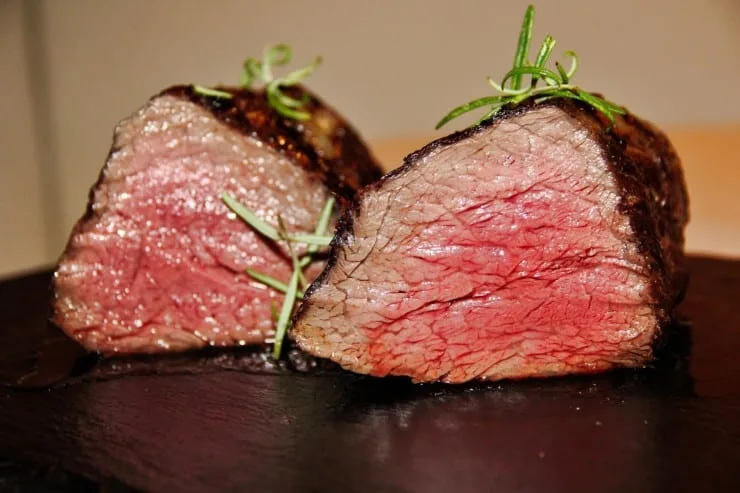
USDA says no. Its minimum for lamb steaks, chops and roasts is 145°F, measured with a food thermometer, followed by a 3-minute rest. Ground lamb needs 160°F. Many cooks serve whole cuts of lamb at 125 to 130°F for medium rare, which is below the USDA line, so that's a risk you choose to take. Ground lamb should never be served medium rare.
Lamb is one of the few red meats where cooks and food safety agencies openly disagree. Restaurants and cookbooks call 130°F medium rare. The government's number sits roughly 15°F higher. Which side you land on depends on who's eating, and a couple of groups shouldn't take the lower number at all.
The USDA numbers
The USDA's guidance is short. Whole cuts of beef, veal and lamb are cooked to 145°F as measured with a food thermometer, then rested for three minutes before carving or eating. Ground meats, lamb included, go to 160°F with no rest time.
| Lamb product | Minimum internal temperature | Rest time |
|---|---|---|
| Steaks, chops, roasts, legs, racks | 145°F | 3 minutes |
| Ground lamb, patties, meatloaf, kofta | 160°F | None required |
The rest isn't a courtesy to the juices. The USDA defines it as time the meat spends at its final temperature after leaving the heat, and says the temperature holds or keeps rising during those three minutes, which destroys harmful bacteria. A chop pulled at 145°F and carved straight away hasn't met the rule.
Where medium rare really sits
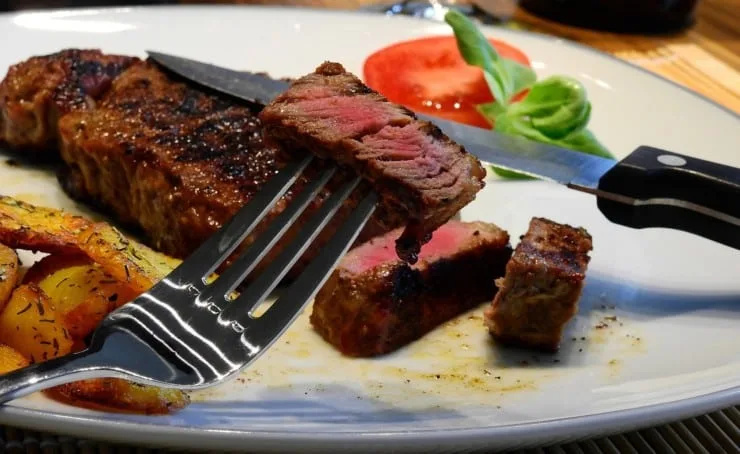
Cooking guides use a different scale. America's Test Kitchen's Cook's Country chart for beef and lamb lists medium rare as 115 to 120°F when you pull it off the heat and 125 to 130°F once it has rested. Medium is 135 to 140°F served. Medium well is 145 to 150°F served.
Put those next to the USDA figure and the gap is clear. The government's minimum for lamb lands about where a cook would call it medium well. Medium rare is 15 to 20 degrees under it.
The usual argument for the lower number is that bacteria on a whole cut sit mostly on the surface, and searing deals with the surface. That reasoning is common in kitchens. I didn't find a USDA statement that accepts it, so treat it as a cook's argument, not as safety guidance. Ground meat is a different case, covered below.
A practical middle path, and this is my judgment: cook a leg or rack to 145°F and rest it. Lamb at that temperature is still pink and juicy inside, so you give up less than the number suggests. Color doesn't prove safety either way, which is why the thermometer matters.
Who should not eat it rare
Lamb is one of the meats named for toxoplasmosis. The FDA lists raw or undercooked meat, especially pork, lamb or venison, as a way to catch the parasite, and says to use its cooking temperature chart. Virginia Tech Extension, drawing on CDC material, puts the safe target as above 145°F and says the parasite can cross the placenta in pregnancy.
Most healthy adults who catch it feel nothing or get flu-like symptoms. The groups at real risk are:
- Pregnant women, where infection can cause birth defects or miscarriage
- People with weakened immune systems, including cancer patients on chemotherapy and organ transplant recipients
- Infants
- Older adults
If anyone at the table is in one of those groups, the 145°F rule isn't optional. That includes a rare lamb chop ordered at a restaurant, where you can't see the thermometer. Ask for it cooked through, or pick something else.
Ground lamb is different
Grinding spreads whatever was on the surface through the whole batch. That's why the USDA sets ground lamb at 160°F and why a pink burger in the middle isn't a medium rare burger. Lamb burgers, kofta, lamb meatballs and meatloaf all follow it.
Color won't help here. Food Safety and Inspection Service researchers found that ground beef can turn brown before it's safe, and that lean ground beef can stay pink well above 160°F. USDA research from 2001 reached the same conclusion about burgers cooked on gas grills. Those studies were on beef, and I haven't seen a lamb-specific one, but ground lamb gets the same 160°F rule.
Taking the temperature
An instant-read thermometer is the only reliable check. The USDA's instructions:
- Put the tip in the thickest part of the meat.
- Keep it off bone, fat and gristle, which read differently from the meat.
- Start checking before you expect it to be done.
- Wash the probe with hot soapy water before and after.
For a rack or a rolled roast, check in more than one spot. For thin chops, turn the probe in from the side so the tip sits in the center. If the thermometer sits a few degrees under your target, give it another minute and check again.
Frequently Asked Questions
Is pink lamb safe to eat?
Not necessarily. Color isn't a reliable sign of doneness for ground meat, and for whole cuts the USDA's safe point is a temperature, 145°F plus a three-minute rest. Lamb at 145°F can still look pink.
What temperature is medium rare lamb?
Cook's Country lists 125 to 130°F served after resting, which is below the USDA's 145°F minimum for lamb steaks, chops and roasts. The lower number is a personal risk decision, not a USDA recommendation.
Can I eat medium rare ground lamb?
No. The USDA says ground lamb should reach 160°F, and no rest time is needed. Color won't tell you when it's there, so use a thermometer.
Is rare lamb safe during pregnancy?
No. The FDA names undercooked lamb as a way to catch toxoplasmosis, and Virginia Tech Extension says to cook meat above 145°F. The parasite can cross the placenta and harm the baby.
Why does lamb need to rest for three minutes?
The USDA says the meat stays at its final temperature, or keeps rising, during the rest, which destroys harmful bacteria. It's part of the safety rule for whole cuts.
Sources
- USDA blog: Cooking Meat? Check the New Recommended Temperatures (145°F plus three-minute rest for lamb, 160°F ground meats, rest time definition, thermometer placement)
- LSU AgCenter: USDA changes safe pork cooking temperatures (145°F for lamb, three-minute rest, ground meats at 160°F)
- University of Arizona Extension: Cooking Recommendations for Ground Beef (FSIS finding that color is not reliable for doneness)
- USDA ARS: Cooked-to-Brown Burgers May Not Tell the Truth (color versus thermometer)
- FDA: Toxoplasma, food safety for moms-to-be (undercooked lamb and toxoplasmosis)
- Virginia Cooperative Extension: Reducing Your Risk of Toxoplasmosis (at-risk groups, above 145°F)
- Cook's Country: Doneness Temperatures for Beef and Lamb (cook's medium rare and medium temperatures)